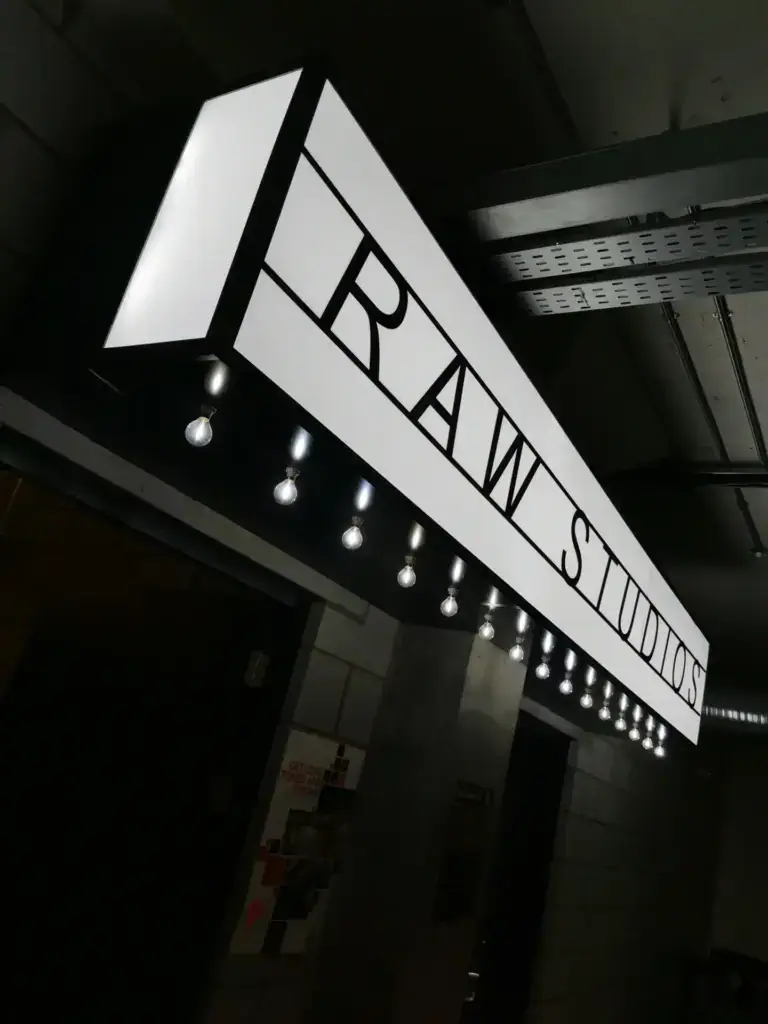
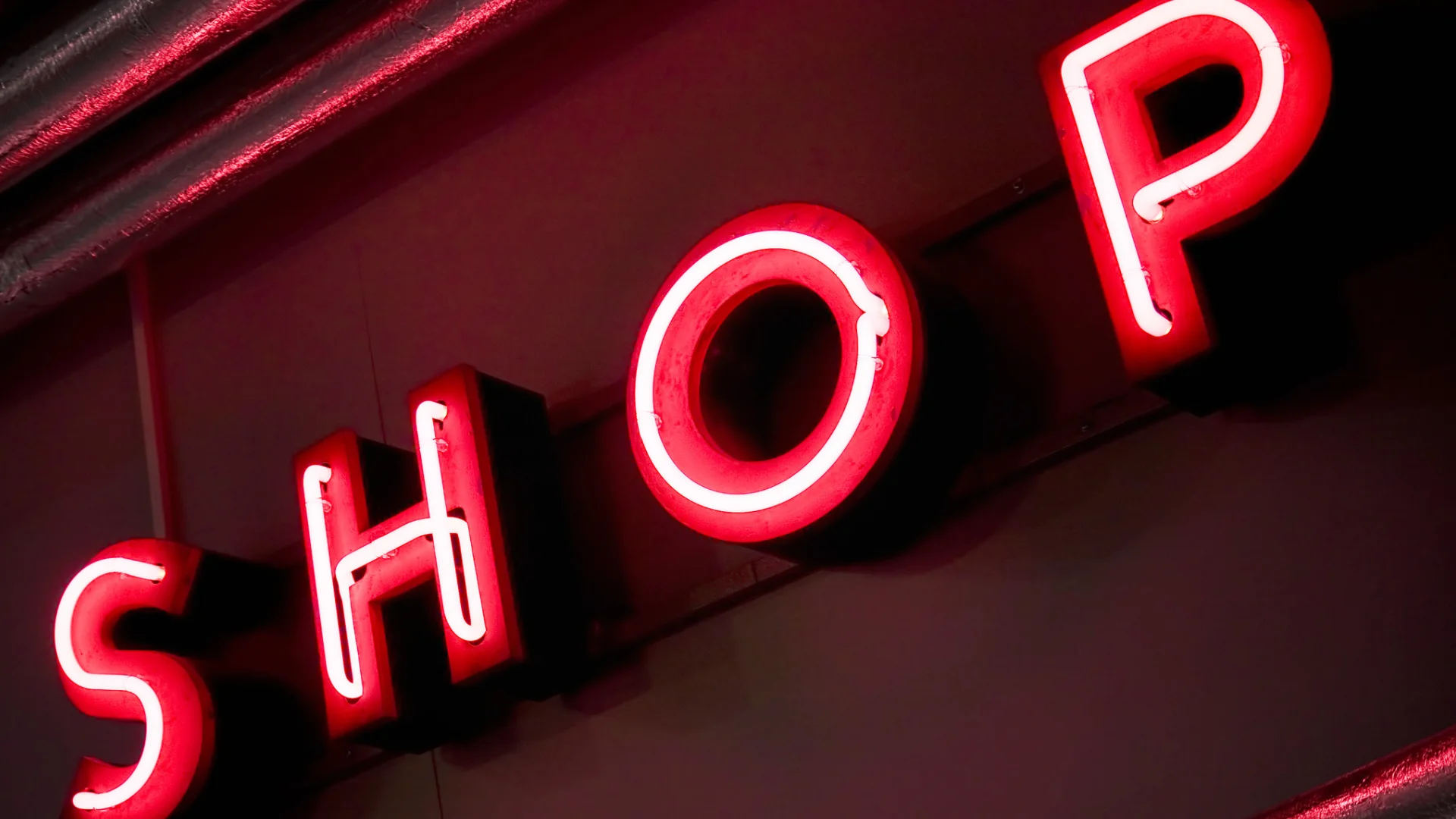
A professionally made shop sign in Ireland can cost anywhere from around €180 for simple vinyl lettering to €9,500 or more for premium illuminated 3D signage. The difference is not simply about the size of the sign. Materials, fabrication, illumination, access, installation method and the condition of the existing shopfront can all substantially change the final cost.
For businesses planning a new retail unit, office, restaurant, salon or commercial premises, signage is therefore better treated as a project rather than an off-the-shelf product. At AdvertMe, we design, manufacture and install commercial signage from our Dublin workshop, including fascia signs, built-up lettering, illuminated signs, projecting signs, window graphics and complete shopfront branding.
The figures below provide a practical 2026 shop signage cost guide for Ireland. They are indicative budget ranges rather than fixed quotations, as every premises requires a different specification.
Shop Sign Prices in Ireland: 2026 Guide
| Sign type | Indicative price range |
| Vinyl lettering / window graphics | €180 – €825 |
| Flat panel fascia sign | €650 – €3,550 |
| Aluminium tray sign | €750 – €3,550 |
| Projecting shop sign | €350 – €825 |
| 3D lettering / built-up letters | €1,200 – €9,500+ |
| Illuminated shop sign | €950 – €3,550+ |
These figures should be treated as a starting point. A compact sign fitted to an accessible ground-floor unit is a very different installation from illuminated lettering several metres above street level.
Your signage should look as considered as your brand.
Planning a new shopfront, fascia sign or illuminated business sign? Send us your premises, measurements and artwork. We will review the project and recommend the right specification for your location and budget.
How Much Do Vinyl Lettering and Window Graphics Cost?
For businesses working with a smaller budget, vinyl lettering and window graphics typically start at around €180, with larger or more complex installations reaching approximately €825 or more. Vinyl is particularly useful when a business does not need a fabricated sign structure. It can be applied directly to glazing and used for:
- business names and logos;
- opening hours;
- contact information;
- promotional graphics;
- temporary campaigns;
- privacy graphics;
- printed window displays;
- cut vinyl lettering.
The total price depends mainly on the amount of glass being covered, the type of vinyl and whether the graphics are simple cut lettering or full-colour printed artwork. A small logo and opening-hours graphic will naturally cost considerably less than graphics covering several shopfront windows. For businesses with large areas of glazing, window graphics can also form part of a broader shopfront branding system alongside fascia signage, projecting signs or glass manifestation.

How Much Does a Fascia Sign Cost?
A commercial fascia sign in Ireland will typically fall within a budget of approximately €650 to €3,550, depending on its dimensions, materials, graphics and installation requirements. Fascia signage remains one of the most widely used forms of business signage because it gives the company name a clear position above the main entrance or shopfront.
A relatively simple fascia may use an aluminium composite panel with printed or cut vinyl graphics.
More sophisticated installations can incorporate:
- acrylic lettering;
- raised logos;
- routed panels;
- aluminium fabrication;
- custom paint finishes;
- stand-off lettering;
- LED illumination.
The width of the premises is particularly important. A three-metre fascia is significantly less expensive to manufacture and install than signage extending across a much larger commercial frontage.

What Is an Aluminium Tray Sign and How Much Does It Cost?
An aluminium tray sign generally costs from around €750 to €3,550, depending on size and finish. Unlike a completely flat sign panel, an aluminium tray has folded returns around its edges. This creates additional depth and produces a cleaner architectural finish. Tray signs are frequently combined with acrylic or built-up lettering and can also incorporate illumination.
They are commonly used for:
- retail units;
- offices;
- restaurants;
- industrial premises;
- medical and professional practices;
- commercial entrances.
Powder-coated finishes, specialist colours, fabricated logos and integrated LEDs will increase the production cost. A simple non-illuminated tray is therefore likely to sit towards the lower end of the price range, while a large bespoke illuminated installation can move considerably higher.
How Much Does a Projecting Shop Sign Cost?
A projecting sign typically costs between €350 and €825 for a standard commercial installation. Unlike fascia signage, projecting signs are positioned perpendicular to the building. This makes them particularly effective on streets where pedestrians approach a business from either direction rather than directly from the front.
They are commonly used by cafés, salons, retail shops, restaurants and businesses located on busy pedestrian routes.
Pricing depends on:
- sign dimensions;
- single- or double-sided construction;
- bracket design;
- materials;
- lighting;
- installation height.
Illuminated projecting signs and fabricated lightboxes normally cost more than simple non-illuminated panel signs. Location also matters. Signage proposed for certain buildings or sensitive streetscapes may be subject to additional planning requirements.

How Much Do 3D Letters and Built-Up Signs Cost?
Built-up lettering is one of the premium categories of commercial signage, with projects typically ranging from approximately €1,200 to €9,500 or more. Rather than printing a company name onto a flat panel, each letter or logo element is manufactured individually.
Letters can be produced from materials including:
- acrylic;
- aluminium;
- stainless steel;
- fabricated metal;
- composite materials.
They can then be mounted directly to the building, fixed to a fascia or installed using stand-offs to create additional depth. The price increases considerably when the lettering is illuminated.
For example, a relatively short company name using modest non-illuminated acrylic letters may remain towards the lower end of the range. A larger installation using custom fabricated letters, specialist finishes and halo LED illumination can move into several thousand euros.
This type of signage is particularly suitable for businesses where the physical appearance of the premises forms an important part of the brand: retail, hospitality, automotive, beauty, healthcare and corporate offices are common examples.

How Much Does an Illuminated Shop Sign Cost?
A standard illuminated business sign may cost from approximately €950 to €3,550 or more, while complex illuminated 3D lettering can exceed this range substantially. Lighting adds several additional components to the project.
Depending on the design, an illuminated sign may require:
- LED modules;
- transformers or power supplies;
- fabricated lightboxes;
- internal wiring;
- cable routing;
- additional installation work.
Different lighting methods also create very different results. A backlit acrylic panel is comparatively straightforward. Halo-illuminated individual letters require more fabrication and installation work because each letter forms part of the lighting system. For businesses that operate during the evening or winter months, illumination can significantly improve the visibility of the premises from the road or footpath.
The objective, however, should not simply be maximum brightness. Good commercial signage uses controlled illumination to keep the business name clearly visible while maintaining a professional appearance.
What Determines the Final Cost of Business Signage?
There is no reliable flat-rate price for custom signage because several parts of the specification affect production and installation.
1. Size
Larger signs require more material, longer production times and potentially additional support structures. Width is particularly important for fascia and tray signs.

2. Materials
A printed aluminium composite panel sits at a different price point from fabricated aluminium letters, stainless steel or illuminated acrylic. Material selection also affects the expected service life and overall appearance of the installation.
3. 2D or 3D Construction
Flat graphics are usually considerably less expensive than individually manufactured dimensional lettering. The depth and fabrication method of 3D letters also influence the cost.
4. Illumination
LED modules, wiring, power supplies and additional fabrication increase both material and labour costs. Halo lighting, face illumination and lightboxes each require different construction methods.
5. Installation Height and Access
A sign installed at ground-floor level with clear access is comparatively straightforward. Higher elevations or difficult access may require:
- specialist ladders;
- mobile towers;
- scaffolding;
- MEWPs or cherry pickers;
- additional installation personnel.
Access requirements can therefore make a significant difference to the final quotation.

6. Existing Sign Removal
A new sign frequently requires the previous installation to be removed first. Removal can involve considerably more work than simply unscrewing an old panel, particularly where previous signage includes steel frames, electrical components or substantial wall fixings. Repairs may also be necessary before the new signage can be installed.
7. Artwork and Custom Fabrication
Providing a print-ready vector logo makes production considerably easier.
If artwork has to be recreated, colours matched, logos adapted for fabrication or unusual structural elements engineered, additional design and production work may be required.
Do Shop Signs Need Planning Permission in Dublin?
Planning requirements should be checked before committing to certain types of commercial signage. Not every small sign automatically requires a full planning application, but new signage, replacement signage or material alterations to a shopfront can require planning permission depending on the building, location and specification.
The situation requires particular attention where the project involves:
- protected structures;
- architectural conservation areas;
- major changes to an existing shopfront;
- projecting signage;
- large signs;
- illuminated signage;
- significant changes to the appearance of a façade.
Dublin City Council’s development guidance also places emphasis on keeping shopfront signage proportionate to the fascia and compatible with the character and materials of the building. For this reason, planning implications should ideally be considered while the sign is being designed rather than after production has already started.
How to Compare Signage Quotes Properly
Two signage quotations that appear similar at first glance may cover very different scopes of work. Before selecting a supplier, check precisely what has been included.
A complete quotation may need to account for:
- artwork preparation;
- design and proofing;
- materials;
- fabrication;
- illumination;
- mounting hardware;
- installation;
- access equipment;
- removal of existing signage;
- electrical requirements;
- site-specific work.

It is also worth checking exactly what material has been specified. For example, “3D letters” does not define the material, depth, finish or illumination method. Likewise, “fascia sign” could describe anything from a straightforward printed panel to a custom aluminium installation with illuminated dimensional lettering.
Price comparisons are only meaningful when the specification is comparable.
What Information Is Needed for an Accurate Shop Sign Quote?
The fastest way to obtain a realistic signage quotation is to provide enough information about the premises from the beginning.
Useful information includes:
- photographs of the existing shopfront;
- approximate dimensions;
- business logo or artwork;
- preferred type of signage;
- whether illumination is required;
- photographs of signage styles you like;
- the address of the premises;
- details of existing signage that may need to be removed.
From this information, the sign company can usually determine whether a straightforward specification is possible or whether a site survey is required.
How Much Should You Budget for a New Shopfront Sign?
For a small business requiring straightforward window graphics or vinyl lettering, the budget can begin at under €1,000. Flat panel fascia signs start from €650, while aluminium tray signs start from €750. Larger installations can reach €3,550 or more, depending on the specification.
Businesses looking for a more architectural finish using fabricated 3D lettering should expect to budget from approximately €1,200, with larger illuminated installations potentially reaching €9,500 or more. The cheapest sign is not necessarily the lowest-cost option over the life of the premises.

Exterior commercial signage is exposed continuously to rain, wind, UV light and temperature changes. Appropriate materials, correct fabrication and secure installation are therefore as important as the initial appearance.
Commercial Signage in Dublin from AdvertMe
AdvertMe has been producing commercial branding solutions since 2004. From our workshop in Dublin 11, we design, manufacture and install signage for retailers, offices, restaurants, trades, construction companies and other commercial organisations.
Our business signage services include:
- fascia signs;
- shop front signage;
- built-up letters;
- 3D acrylic lettering;
- illuminated signage;
- projecting lightbox signs;
- premises signage;
- window graphics;
- glass manifestation;
- custom commercial signage.
Projects can be managed from initial artwork and specification through to manufacture and final installation.
If you are planning new signage, send us a photograph of the premises, approximate dimensions and your logo. We can review the project and recommend a suitable signage specification based on the building, visibility requirements and available budget.